

The Classic TT: Isle of Man Motorcycle Racing on the Mountain Course
Vintage grand prix machines, 37 miles of closed public roads, and the most demanding race circuit in the world — the Classic TT is motorcycle racing at its most elemental.
What the Classic TT Is
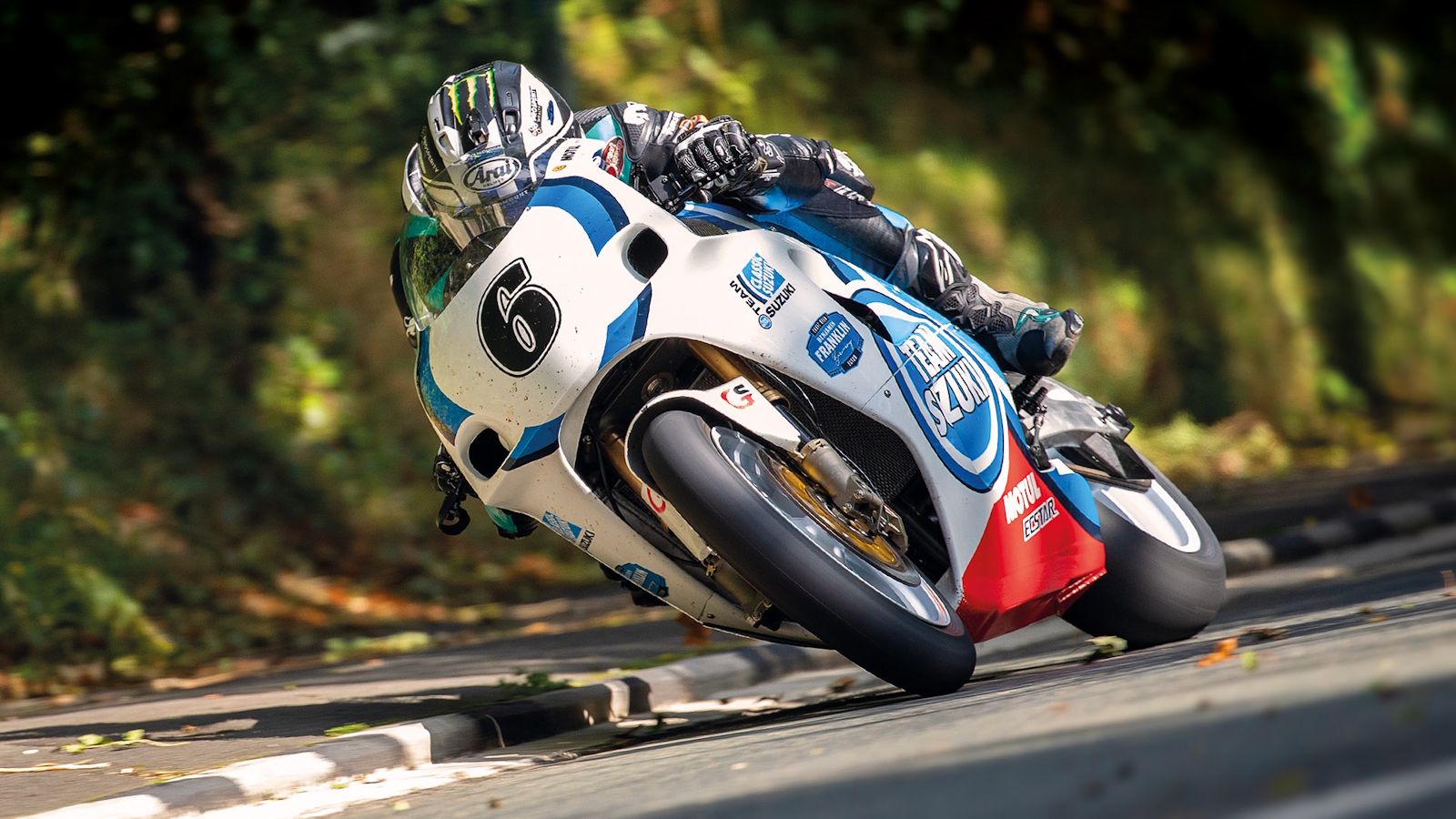
The Classic TT is a road racing event held on the Isle of Man, using the same 37.73-mile Snaefell Mountain Course as the modern TT races. Where the modern TT features current production-based machinery, the Classic TT is restricted to vintage and classic motorcycles — the golden-era machines that defined road racing from the 1950s through the early 1980s. Nortons, Yamahas, MV Agustas, Ducatis, BSA triples, Hondas — the paddock reads like a living museum of competitive motorcycling.
The event was first held in 2013 and quickly established itself as a fixture for riders, teams, and fans who wanted the full TT experience alongside machinery that has historical resonance. After a gap following 2019, it returned in 2025 and is now firmly back on the calendar.
The Mountain Course
The Snaefell Mountain Course is unlike any other race circuit in the world. It uses 37.73 miles of regular public roads — closed only during official practice and race sessions — connecting the town of Douglas to the mountain summit and back via villages, farmland, stone walls, and roads that in some places are barely wide enough for two cars to pass.
The course climbs from sea level to over 1,400 feet at Brandywell, then descends through a series of fast sweepers before the long run back into Douglas. It is divided, loosely, into three characters. The first section out of Douglas runs through suburbs and then opens into fast, undulating roads toward Ballacraine — deceptively quick, with the compression at the bottom of Bray Hill launching riders at speeds that make the first corner feel very close, very fast. The middle section through the towns of Ramsey and the northern roads is more stop-start: the Ramsey Hairpin is a full 180-degree turn at the bottom of a steep descent, and the Gooseneck above it is a tight uphill left that separates smooth riders from hurried ones.
The Mountain section is in a category of its own. Above the Gooseneck, the road climbs onto open moorland with no stone walls, no houses, and nothing to interrupt the sightlines for miles. The Bungalow — a crossing at around 1,200 feet where a heritage tram track crosses the road — is a natural spectator point, and the Mountain Mile above it is where the fastest riders crack 170 mph in the modern TT. At Classic TT speeds the mountain still demands respect: the surface can be damp in shadow even on a dry day, and the descent back toward Douglas through Creg-ny-Baa is a sequence of fast sweepers where precision matters more than bravery.
Landmarks like Bray Hill (a near-vertical drop from a standing start), Creg-ny-Baa (a right-hand bend with a pub that has been there since the race began), Ramsey Hairpin, and the Gooseneck are known to every TT fan. Learning them on the ground — as a spectator, then on the road itself during open sessions — is part of what makes race week on the Isle of Man unlike any other motorsport event.
“The Mountain Course uses 37.73 miles of regular public roads — closed only during race sessions — with stone walls, farmland, and roads barely wide enough for two cars to pass.”
The Machinery
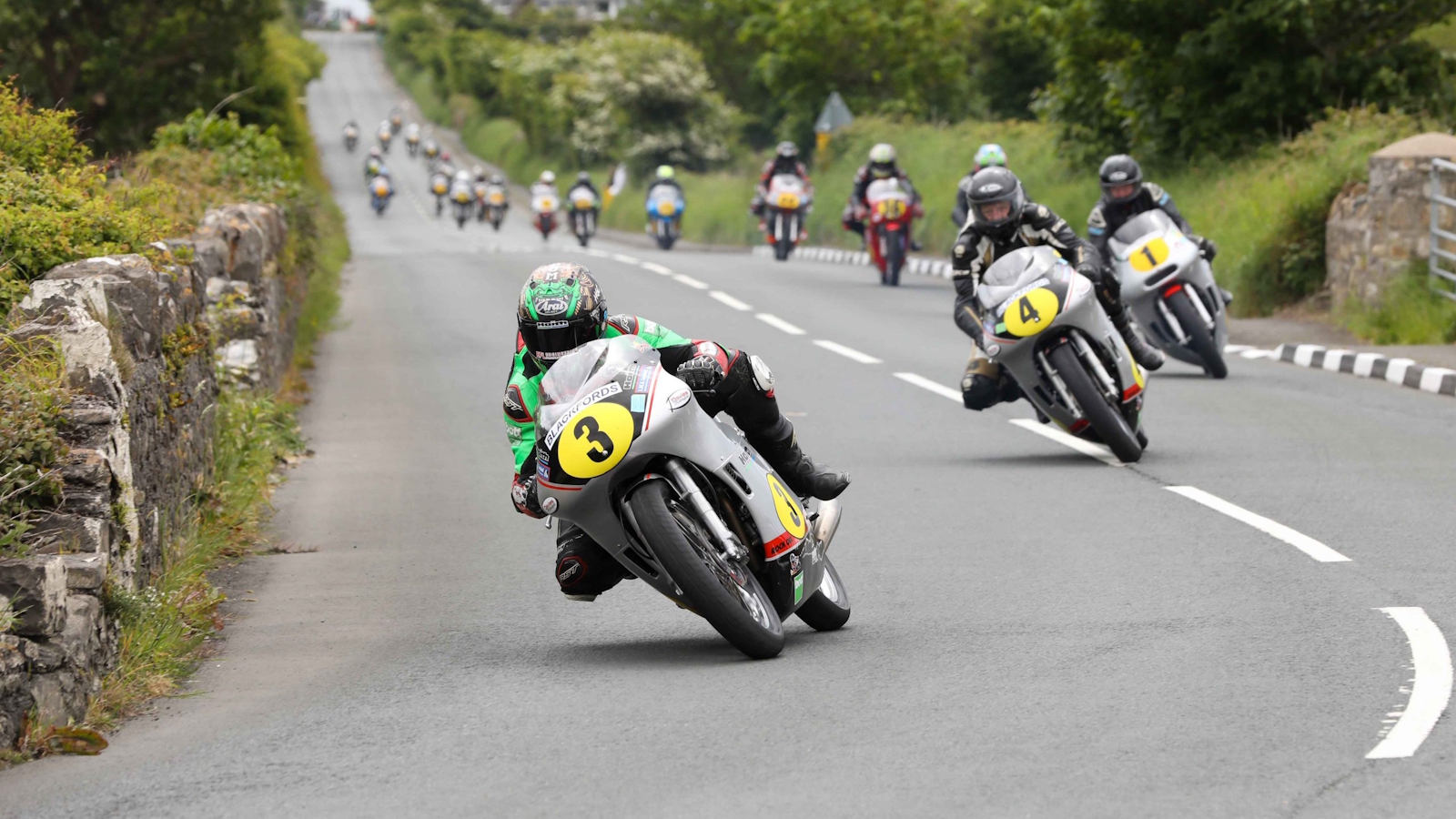
What separates the Classic TT from other vintage racing events is the quality and provenance of the machines. The paddock includes factory race bikes that competed in world championship grand prix events, ridden by former champions and current specialists who know how to extract pace from machinery without modern electronics, chicanes, or run-off areas.
The 2013 inaugural event set the tone: Olie Linsdell won the 500cc race; the grid included Nortons, Paton singles, AJS machines, and Aermacchi twins. By 2014 the 500cc class had over 70 entries, with John McGuinness — the most successful TT rider of the modern era — lining up alongside Charlie Williams, returning after a 30-year absence.
The 2018 event saw John McGuinness ride Mike Hailwood’s 1978 race-winning Ducati, and a Honda six-cylinder grand prix machine returned to the circuit it had dominated in period. Bruce Anstey set a 500cc lap record of 126.261 mph in 2015 — extraordinary speed on machinery that is, in some cases, over 60 years old.
How It Differs from the Modern TT
The modern Isle of Man TT — held in late May and early June — features Superbikes, Supersports, and Sidecars running on current homologation machinery, with lap speeds on the Superbike class now exceeding 135 mph. It is the fastest road race in the world, and the gap between spectator and machine is vast.
The Classic TT narrows that gap. The machinery is slower, yes — but recognizably connected to motorcycles that road riders know and understand. A 500cc two-stroke Yamaha or a bevel-drive Ducati has a mechanical transparency that a modern prototype does not. You can hear every mechanical event in the engine, see the rider wrestling the bike through corners, and understand viscerally what is being asked of both. For many fans, this is the more compelling spectacle.
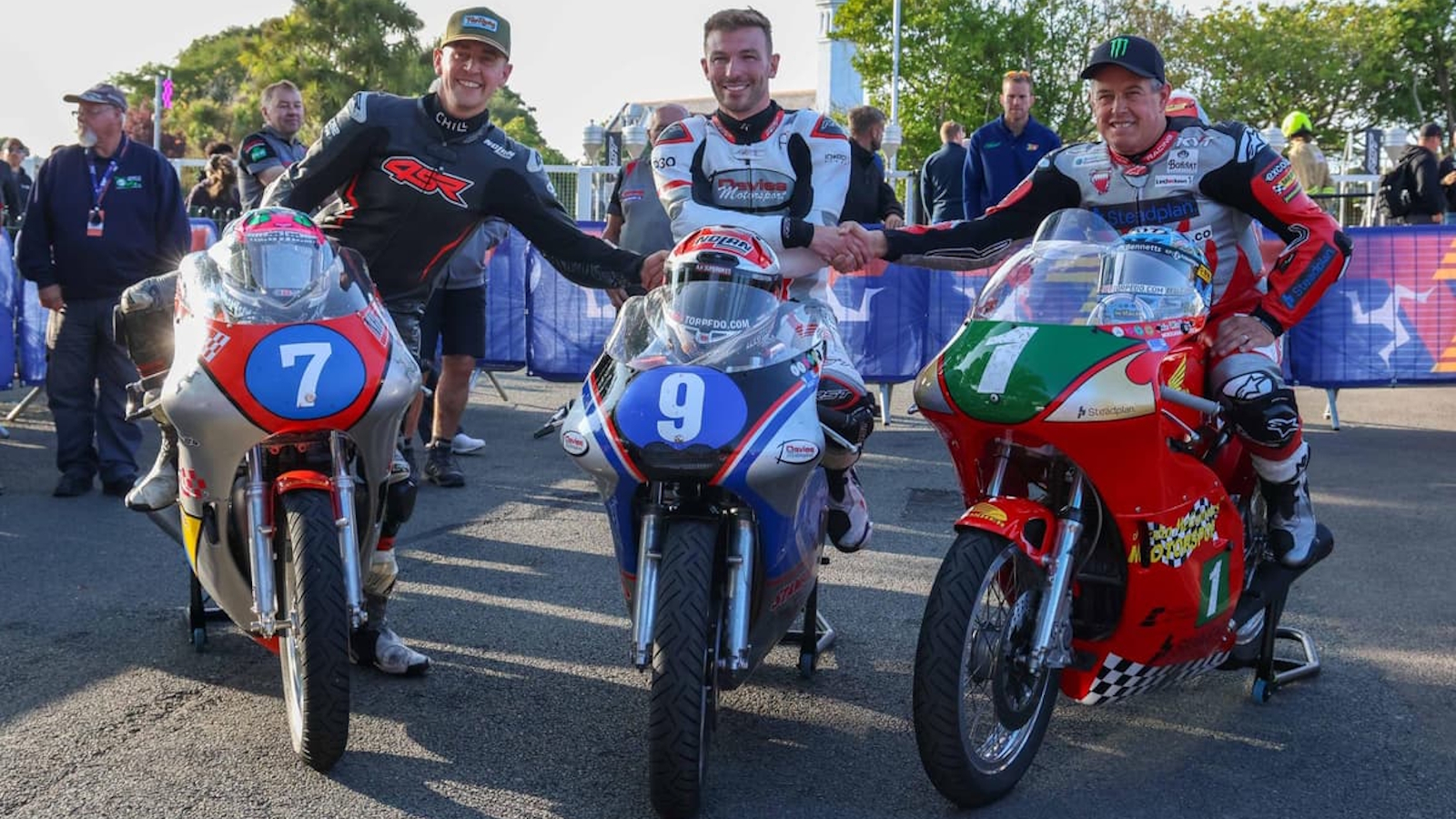
The atmosphere in the paddock is also different. The Classic TT is accessible in a way that modern racing rarely is — former world champions walk among the crowds, bikes are worked on in open garages, and conversations about the history and provenance of specific machines happen constantly.
Riding the Mountain Course Yourself
During Classic TT week, the Mountain Course is closed to public traffic during official practice and race sessions — typically two to three hours at a time, twice a day. Outside those windows, the roads revert to normal public use. That means that during race week, you can ride the same 37.73 miles on your own motorcycle, through the same corners, at road-legal speeds, with other riders doing exactly the same thing.
The experience is different from racing in every way that matters and similar in one that counts. You are not going fast — road-legal speeds on public roads, with junctions, pedestrians, and farm vehicles. But the corners are real, the stone walls are real, and the knowledge of what those roads become during a race session is impossible to set aside. Creg-ny-Baa feels entirely different when you have just watched a 500cc grid through it at speed. The Bungalow, unremarkable on a map, is a place you will remember.
The unrestricted Mountain section — above the Gooseneck and below the descent toward Douglas — can typically be ridden in the evenings when that section is fully open to through traffic. This stretch, from the Gooseneck to Creg-ny-Baa via the Bungalow and Brandywell, is about eight miles of open moorland road with no junctions and minimal traffic. The view from the summit on a clear evening, with the Irish Sea visible in multiple directions, is reason enough to make the trip regardless of the racing.
Blue Strada Tours builds an evening Mountain section ride into the itinerary specifically for this — guided, with the context of having already watched the course in action from the grandstands.
What Race Week Looks Like
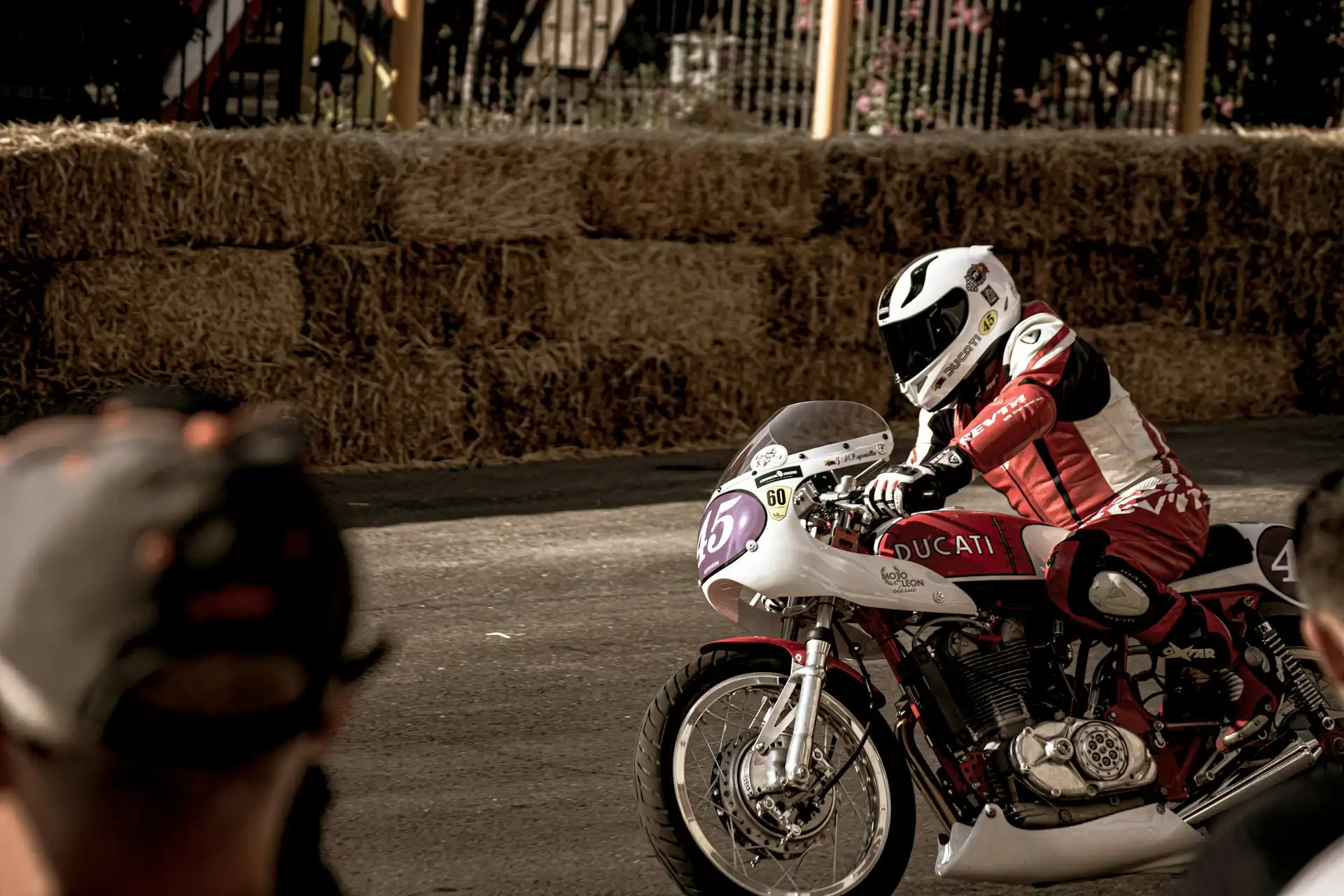
Classic TT week runs over about nine days in late August, with practice sessions in the first half of the week and races in the final days. The structure gives spectators time to learn the course before the racing begins — which matters, because the Mountain Course rewards knowing where to stand. A grandstand at Bray Hill puts you in the compression at the bottom of the opening drop. Creg-ny-Baa is a pub at a right-hand corner where you can watch from a beer garden that is six feet from the racing line. The Bungalow requires a walk or a tram ride but offers views across a mile of open moorland road with nothing blocking the sightlines.
The paddock in Douglas is open to spectators throughout the event. The atmosphere there is different from any modern paddock — mechanics work in open garages, the machinery is accessible in a way that Formula 1 or World Superbikes never are, and the people working on the bikes are frequently the same people who raced them in period or who have dedicated decades to keeping them competitive. Conversations happen. Former world champions are approachable. The gap between spectator and participant is narrow in a way that reflects the event’s character rather than any deliberate policy.
The island itself is worth understanding before you arrive. The Isle of Man has its own government, its own currency (which trades at parity with sterling), and its own laws — including no national speed limit on many roads outside race week, which explains why the motorcycle culture here runs deeper than almost anywhere else in the world. The roads fill with touring bikes for the full duration of race week, the pubs stay open late, and the sense of shared purpose between racers, fans, and the island’s permanent residents is palpable from the first practice session.
Hotels and accommodation book out months in advance. The island is small — roughly 33 miles by 13 — and the population of around 85,000 is effectively doubled during TT and Classic TT periods. A guided tour that handles logistics, accommodation, and viewing positions removes the main friction point of attending independently.
Blue Strada Tours’ Classic TT & Highlands tour includes race-week access on the Isle of Man, with grandstand viewing at Bray Hill and Creg-ny-Baa, paddock time with the classic machinery, and an evening ride on the Mountain section — alongside 12 days of guided riding through Ireland, Scotland, and the Lake District.
See the Classic TT & Highlands Tour
No Responses